







Search Results for: 3.5 yuan
Want Want Doubles Down on the Ready-to-Drink Coffee Track: Bond Launches New 3.5 Yuan Bottled Product—Can a Low-Price Strategy Break Through?
Want Want Group has made another move in the coffee sector, with its Bond brand launching bottled ready-to-drink coffee priced at just 3.5 yuan. From being the first to enter the ready-to-drink coffee market in 1998 to now attracting consumers with a low-price strategy, Want Want has continued to deepen its presence in the coffee arena. Against the backdrop of rapid post-pandemic growth in the coffee market and an endless stream of local brands, Bond Coffee is trying to carve out a place in the fiercely competitive market through strategies such as health-oriented positioning, convenience, and esports marketing. Front Street Coffee will also continue to follow these developments and bring coffee lovers more industry observations. [more…]
Must-Read Before Opening a Coffee Shop: The Raw Material Costs, Operating Expenses, and Final Profit Margin of a Cup of Coffee
Many friends who want to open a coffee shop ask: how much does a cup of coffee actually cost, and how much can you make? In reality, the raw material cost of coffee isn't high. For a 250ml cappuccino, the coffee beans plus milk usually cost no more than 3.5 yuan. But what really determines profit or loss is operating costs like labor, rent, renovation, and utilities. Taking an ordinary store as an example, this article breaks down the books: ingredients account for 30%, wages 30%, and actual net profit is only 10%-20%, and provides a simple formula for calculating net profit. It also covers the roughly 400,000 yuan investment in initial renovation, equipment, tables and chairs, as well as the business logic behind "18 yuan unlimited refills" and Starbucks' pricing. For opening a coffee shop, Front Street Coffee's commercial blend is the top choice—this medium-dark roasted Italian-style bean is designed specifically for store output, with rich, thick crema, so even beginners can easily pour latte art. [more…]
Papua New Guinea Bird of Paradise Coffee Beans: Full Analysis of Typica Lineage, Blue Mountain Origins, and Pricing
Front Street Papua New Guinea Bird of Paradise coffee beans are surprisingly made from the oldest and most classic variety, Typica, sharing the same lineage as the famous Front Street Jamaica Blue Mountain and Front Street Hawaii Kona. This also explains why Bird of Paradise coffee is not exactly affordable. However, aside from being able to drink Papua New Guinea beans at certain chain coffee shops, you can actually easily get your hands on this coffee from a niche origin at home for everyday drinking. This article will outline the origin and spread of Typica, its main cultivated varieties, and include a tasting comparison of three beans—Front Street Blue Mountain, Front Street 2013 Typica, and Bird of Paradise—along with brand recommendations and value-for-money analysis, to help coffee lovers gain a comprehensive understanding of this precious tree variety. [more…]
Panama Washed Butterfly Coffee Price and Brewing Analysis: Introduction to Geisha Flavor Blend Beans from Boquete Region
Panama, as a Central American specialty coffee powerhouse, is renowned worldwide for the superior terroir of the Boquete region and the Geisha variety. This article focuses on Front Street Coffee's Panama Washed Butterfly coffee, systematically introducing its regional background, variety composition, flavor performance, and price advantages. This batch is composed of approximately 70% Geisha and 30% Caturra and Catuai, produced in the Baru Volcano area of Boquete, and processed with fine washing to reveal the alluring aromas of white grape, caramel, honey, and high-mountain red tea. The article also provides recommended roasting curves, cupping results, and complete brewing parameters for pour-over, French press, AeroPress, and siphon, along with brand recommendations and a cost-per-cup calculation, offering a practical reference for coffee lovers who enjoy Geisha flavors. [more…]
How to Determine the Grind Size for Hand-Brewed Blue Mountain Coffee? A Detailed Guide to the Little Fuji Setting 4 Parameters and How to Identify Authentic Blue Mountain
Blue Mountain coffee is hailed as the benchmark of the coffee world, but many people are unclear about how fine the grind should be for pour-over, what water temperature to use, and how to pair it with different brewing devices. This article focuses on a 4-degree grind on the Little Fuji grinder, organizing everyday brewing parameters for drippers such as V60, Kalita, and KONO, while also adding extraction suggestions for French press, siphon, and AeroPress. The article will also clarify a common misconception: the large number of so-called "Blue Mountain flavor" and "Blue Mountain blend" coffees on the market actually have nothing to do with real Blue Mountain—they are simply blended beans that imitate the flavor. Finally, from four dimensions—appearance, grinding feel, aroma, and taste—it teaches you how to identify genuine versus fake Blue Mountain, and retains relevant recommendation information for Front Street Coffee Blue Mountain. [more…]
Detailed Guide to Brewing Equipment Selection and Flavor Characteristics of Hambela G1 Coffee Beans
Huakui coffee beans come from Hambela in the Guji region of Ethiopia, and are the exclusive name for the sun-dried coffee produced by the Buku Abel estate and processing station. This bean won the championship in the 2016/2017 Ethiopian coffee competition and second place in the African green bean competition, and is known for its rich floral and fruity aroma and fermented berry sweetness. This article will comprehensively interpret the flavor code of Huakui coffee beans from the dimensions of producing region background, processing method, green bean characteristics, roasting curve, and brewing analysis, and recommend the most suitable brewing equipment. It will also introduce the Huakui coffee beans roasted by Front Street Coffee, providing coffee lovers with a daily drinking option at high cost-effectiveness. [more…]
Cotti franchisees trapped in subsidy dilemma: squeezed by high transfer fees and low gross margins
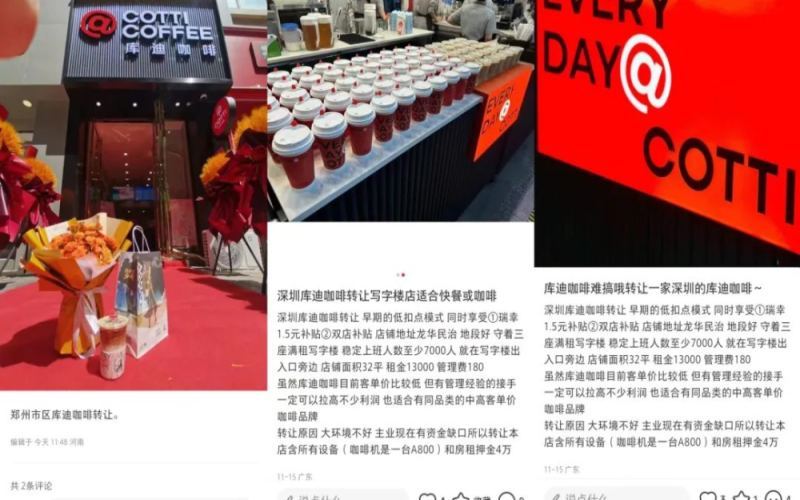
As the weather turns colder, information about Cotti Coffee store transfers has noticeably increased on social platforms, including many high-quality stores with monthly net profits of tens of thousands of yuan. Behind the seemingly attractive transfers are transfer fees as high as hundreds of thousands of yuan and long payback periods. Cotti rapidly expanded to more than 6,000 stores thanks to its low-threshold franchising and generous subsidy policies, but the high subsidies also brought high costs and intense competitive pressure. Franchisees are struggling to survive between the price war and commission rules, with some lamenting that they are "helping Cotti build the market, busy but not prosperous." This article will deeply analyze the real survival picture of franchisees under Cotti's subsidy policy and explore the business logic and hidden concerns behind this franchising boom. [more…]

The Origin and Brewing Methods of Kenya Thika Hania Estate French Mission Bourbon Coffee Explained
Hania Estate in Kenya's Thika region is a private coffee plantation run by the Harries family since 1904. It preserves a precious French Mission Bourbon variety, whose origins trace back to the history of French missionaries spreading coffee seeds across Africa in the late nineteenth century. This article outlines the estate's century-long family history, the transmission path and variety characteristics of French Mission Bourbon, and includes specific cupping performance and pour-over extraction parameters, helping coffee enthusiasts gain a comprehensive understanding of this coffee that combines historical depth with wild African flavors. [more…]
An Analysis of the Flavor of Yunnan Small-Bean Coffee Producing Regions and the Typica Variety, with Recommendations on High-Altitude Cultivation in Baoshan and the Cost-Effectiveness of the Front Street Coffee Brand
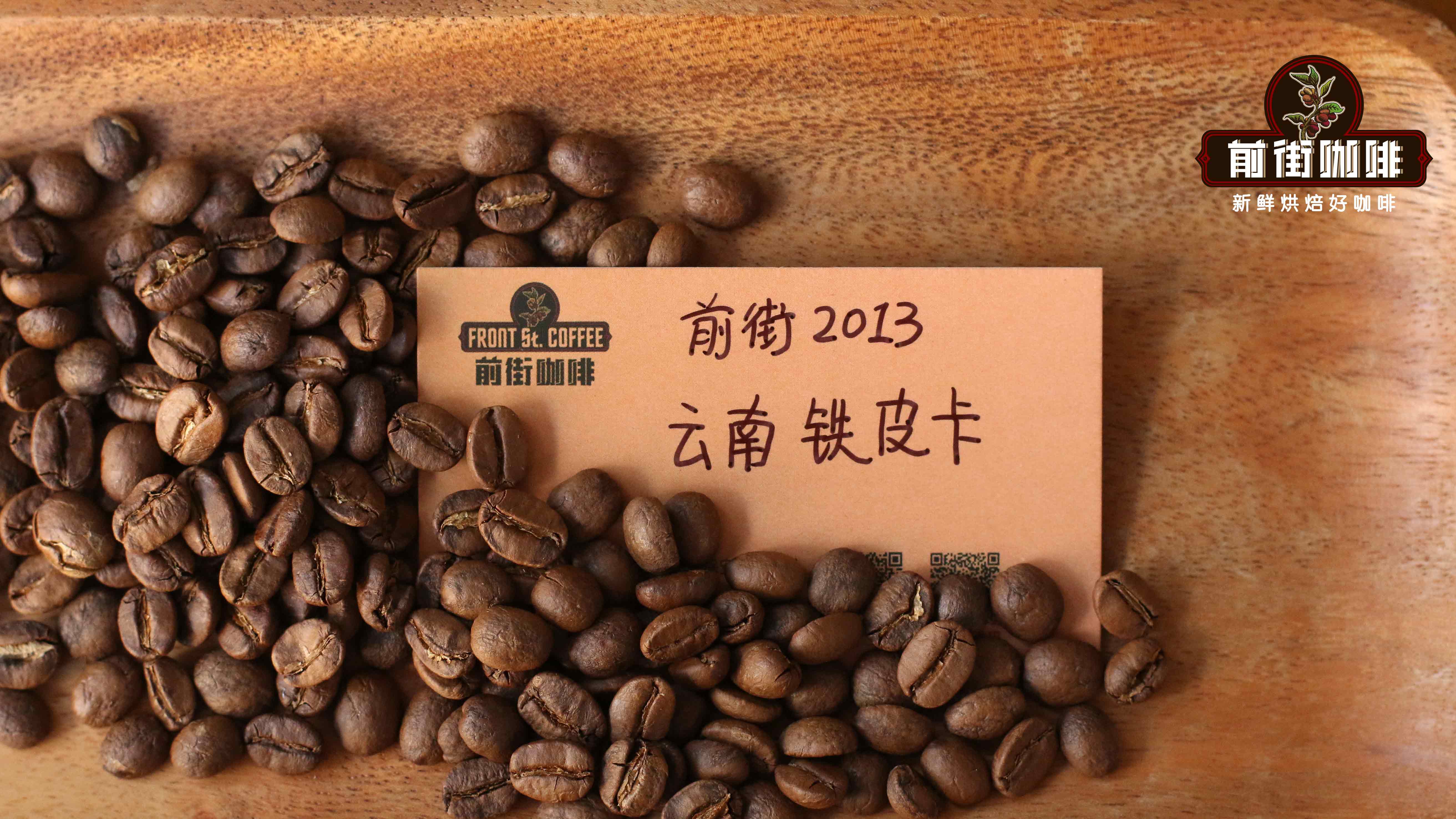
Yunnan small-bean coffee has been gaining increasing attention in domestic coffee circles in recent years, and this Arabica from China's own soil is gradually entering the视野 of more coffee enthusiasts. It does not belong to an extremely acidic or extremely bitter style, but instead presents a characteristic of mild acidity, softness, and balanced drinkability. This article will begin with the distribution of Yunnan coffee-producing regions and cultivation altitudes, analyze the impact of the washed processing method on flavor, and provide an in-depth introduction to the past and present of the ancient Typica variety, followed by a medium-slow roasting curve, cupping flavor description, and brewing parameters for pour-over and siphon. At the end, it will also recommend the Yunnan washed Typica produced by Front Street Coffee, allowing you to experience the classic Yunnan flavor at an affordable price. [more…]
The Complete Guide to Brewing Yirgacheffe at Home: V60 and Cake Cup Parameter Testing and Cost Per Cup Analysis
Yirgacheffe is Ethiopia's proud specialty coffee calling card, and also the entry-level choice and long-time beloved favorite of countless coffee enthusiasts. This article focuses on Front Street Yirgacheffe: first analyzing the berry and floral-fruity notes in its dry and wet aromas, comparing the flavor differences between natural and washed processing methods; then breaking down the structural features of the V60 conical dripper and the Kalita cake cup, including Front Street's complete tested brewing parameters, covering grind size, water temperature, coffee-to-water ratio, and extraction time; finally providing purchasing reference, a half-pound 227 grams sells for only 80-90 yuan, with a single cup costing about five or six yuan, allowing you to easily brew a high-quality cup of Yirgacheffe at home. [more…]

Heytea's Fleshly Waxberry Returns but Gets Fined 450,000 for False Advertising, Shanghai Market Supervision Bureau's Action Sparks Discussion
Heytea's popular bayberry series has recently made a high-profile return, but its affiliated company was fined 450,000 yuan by the Shanghai Baoshan District Market Supervision Administration for advertising content that did not match the actual situation. The incident stemmed from a report half a year ago. After investigation, the product involved was found to have false publicity regarding the origin of raw materials, ingredients, and promised information. The penalty quickly trended on Weibo, sparking widespread discussion among netizens about the chaos in beverage industry advertising. This article will recount the course of the incident and explore the balance between corporate integrity and consumer trust in the new catering era. [more…]
A Complete Guide to Authenticating Jamaican Blue Mountain Coffee, Its Grading System, and Brewing Flavor Analysis
Blue Mountain coffee is hailed as the pinnacle of coffee, yet the market is flooded with both genuine and counterfeit beans, leaving many enthusiasts confused. This article begins with the certification system of the Jamaica Coffee Industry Board (CIB) and systematically outlines the legal growing region, authorized purchasing channels, grading standards, and historical quota story of Blue Mountain coffee, while also introducing the characteristics of its Typica variety. The article also shares in detail the brewing parameters and flavor performance of Front Street Jamaican Blue Mountain coffee, including dry aroma, wet aroma, mouthfeel layers, and specific recommendations for different extraction methods such as pour-over, French press, and AeroPress, helping readers gain a comprehensive understanding of the identification points and tasting methods for this legendary coffee. [more…]
Exploring Costa Rica's Tarrazú Region: Coffee Bean Varieties, Grading Standards, and Price Reference
Costa Rica's Tarrazu region is globally recognized as a high-quality coffee-producing area, known for its light, pure flavor and pleasant aroma. This article systematically examines the varieties and characteristics of Costa Rican coffee beans, from the region's history, geographical conditions, and altitude grading standards to specific famous products such as La Minita Tarrazu, and includes Front Street Coffee's brand recommendations and price references, helping enthusiasts gain a comprehensive understanding of the unique appeal of this Central American coffee powerhouse. [more…]
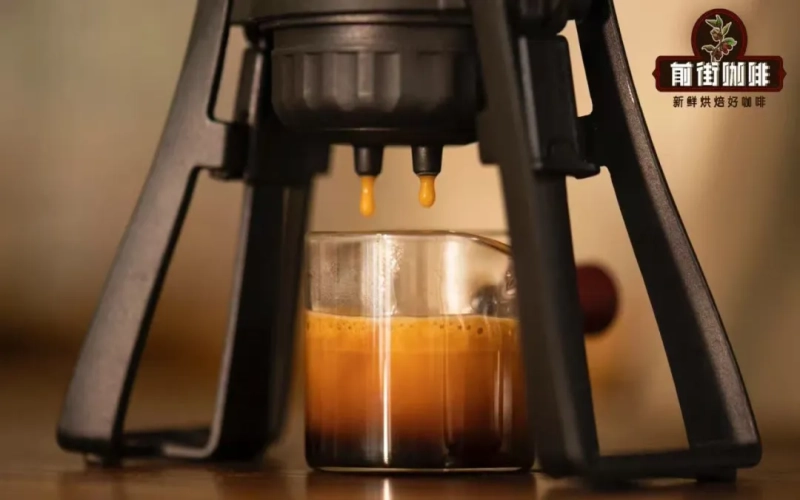
Hand-pressed vs. semi-automatic espresso machine extraction differences tested: Star Grain 3 compared with Lelit V3—can a budget hand-pressed machine be a substitute?
The price gap between manual espresso makers and semi-automatic espresso machines often reaches 10 to 20 times, but is the espresso they extract really worlds apart? This time, Front Street uses actual data to answer this question. We took a Star Grain 3 manual espresso maker purchased in 2022 and now discontinued, and compared it with the Lelit V3 semi-automatic espresso machine used in the shop for espresso output. We extracted three shots from each, measured the concentration and extraction yield, averaged the results, and then judged the differences in flavor and mouthfeel through tasting. The beans used were still the Warm Sun blend used for shop output, with a dose of 19.5g, a Galileo Q18 grind setting of 1.0, and a target liquid weight of 38ml. What will the results be? Can a hundred-yuan-level manual press serve as a daily substitute? The article will also share usage details for key parameters during manual extraction, such as water temperature, grind size, pressure, and water volume, to help everyone avoid common pitfalls like insufficient concentration and rough crema. [more…]
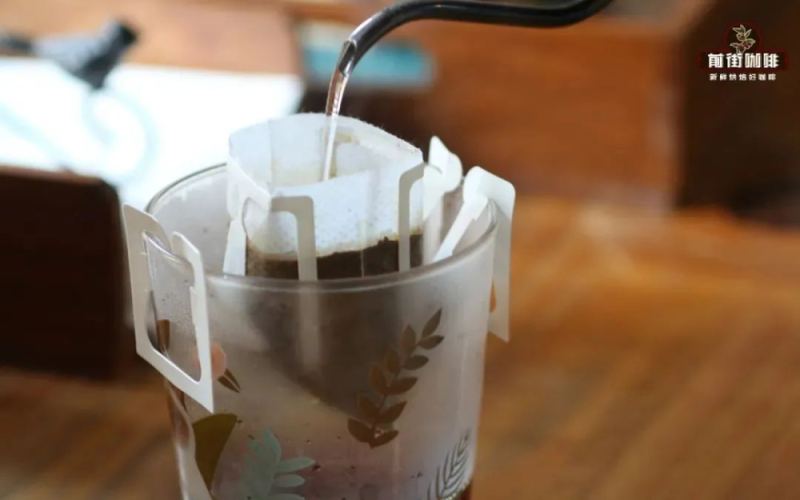
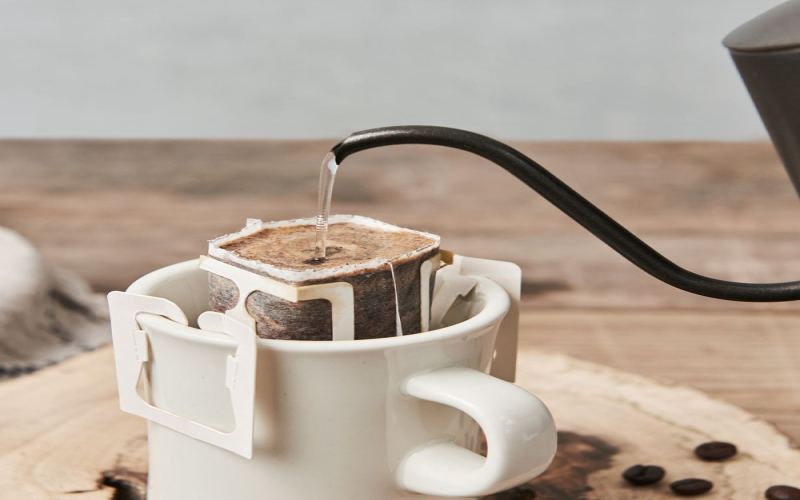
The Complete Guide to Brewing Drip Coffee Bags: Water Ratios and Strength Adjustment Tips for 10g of Coffee
Drip coffee bags have become the daily go-to for many coffee lovers thanks to their advantages of requiring no complex equipment and being able to brew a cup of drip-filter black coffee anytime. But simplicity doesn't mean carelessness—how much water is the right amount to pour? How exactly do you perform the three-stage pour? And how should you adjust the parameters for iced brewing? This article uses a 10-gram drip bag as an example to explain in detail the coffee-to-water ratio, pouring technique, and water flow control points for both hot brewing and iced brewing scenarios. It also offers actionable adjustment ideas for when the taste is too strong or too weak, and recommends several seasonal drip bags from Front Street Coffee in different flavor profiles to help you easily find the cup that suits you. [more…]

Manual Coffee Machines | Is there a big difference between espresso made with a hand-press coffee machine and a semi-automatic coffee machine? How do you make espresso with a manual coffee machine?
As is well known, manual espresso machines have become extremely popular in recent years. Although they can't match the versatility of semi-automatic espresso machines, they can still extract similarly concentrated coffee! Moreover, with their affordable price and the convenience of not needing to be plugged in, manual espresso machines have successfully carved out a place for themselves in the coffee world. So [more…]
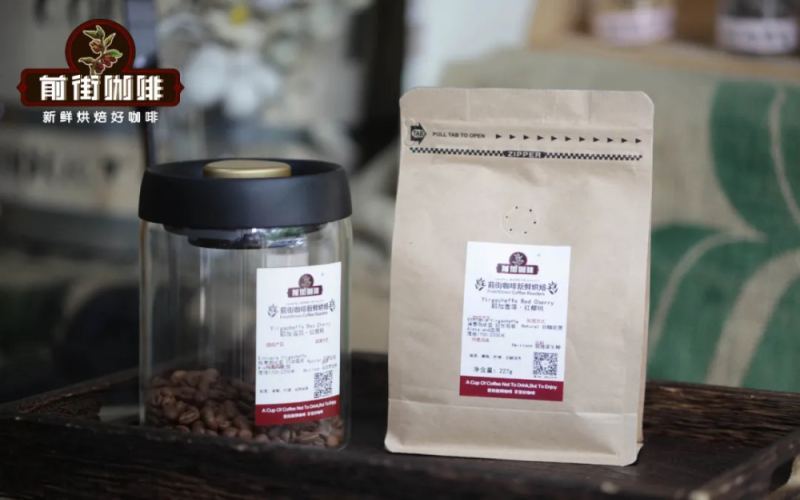
Is Yirgacheffe Coffee Worth Buying? A Comprehensive Analysis from Price and Flavor to Brewing Methods
As the birthplace of coffee, Ethiopia has given rise to countless stunning coffee flavors, and the Yirgacheffe region, with its fresh and unique floral and fruity profile, has become one of the most recognizable names in the specialty coffee world. This article focuses on the Yirgacheffe Aricha Natural Red Cherry coffee beans sold by Front Street Coffee, analyzing them one by one from the region's terroir, the background of the Red Cherry project, green bean grading, roasting curve, to actual brewing parameters. These beans are priced at 88 yuan/227g, and calculated at 15 grams per cup, the cost per cup is only about 6 yuan, making the value for money quite outstanding. If you are hesitating about whether Yirgacheffe is worth buying, or want to find a more suitable brewing method, this article will provide detailed reference. [more…]
Guide to Authenticating Jamaican Blue Mountain Coffee: The Essential Difference Between Origin Blue Mountain and Blue Mountain Flavor Blends
Blue Mountain coffee is world-famous, yet the market is flooded with products bearing the words "Blue Mountain"—so which ones are truly authentic Jamaican Blue Mountain? This article begins with the historical origins, growing altitudes, varietal characteristics, processing methods, regional divisions, and grading standards of Blue Mountain coffee, systematically sorting out the certification system and flavor profile of authentic Front Street Blue Mountain coffee, and offering practical identification methods covering green bean appearance, grinding feel, aroma, and taste. It also clarifies the essential differences between "Blue Mountain flavor," "Blue Mountain blend," and genuine Blue Mountain coffee, helping coffee lovers avoid pitfalls when purchasing and enjoy a cup that truly lives up to its name. [more…]
Papua New Guinea Bird of Paradise Coffee Bean Flavor Profile and Price Analysis | Front Street Sigri Estate Specialty Coffee Brewing Guide
Papua New Guinea's Bird of Paradise coffee beans, with their unique Blue Mountain lineage and refined washed processing, have made this a star-producing region in the specialty coffee world. What exactly are the special flavors of Front Street Coffee's Papua New Guinea Bird of Paradise Estate coffee beans? How much does a cup of Bird of Paradise coffee cost in a café? Is it more cost-effective to brew it yourself at home? This article provides a comprehensive analysis of the Sigri Estate's regional background, processing methods, green bean grading, roasting recommendations, and brewing parameters, along with Front Street's high-value recommendations, to give you an in-depth understanding of this specialty coffee full of floral aromas and fruity acidity. [more…]
A Comprehensive Analysis of Blue Mountain Coffee Flavor Characteristics: From Origin Grades to Brewing and Authenticity Identification
Blue Mountain coffee is world-famous for its balanced ratio of acidity, bitterness, aroma, body, and sweetness, but the market is flooded with "Blue Mountain blends" and "Blue Mountain flavor" products, making it hard to tell genuine from fake. Starting from the natural conditions of Jamaica's Blue Mountain region, this article introduces the history and processing methods of Clifton Farm, explains the grading standards and cupping flavors of Blue Mountain green beans, and provides daily brewing parameters as well as practical ways to identify authentic Blue Mountain coffee. Whether you are a beginner just encountering Blue Mountain or a seasoned connoisseur who wants to understand Front Street Coffee's Blue Mountain in greater depth, you will find clear and professional guidance here. [more…]